Cross-Border Gaming Frameworks: Poker, Slots, and Live Dealer Protocols in US and European Jurisdictions
Written by Greta Koch · Jun 24, 2026
Cross-Border Gaming Frameworks: Poker, Slots, and Live Dealer Protocols in US and European Jurisdictions
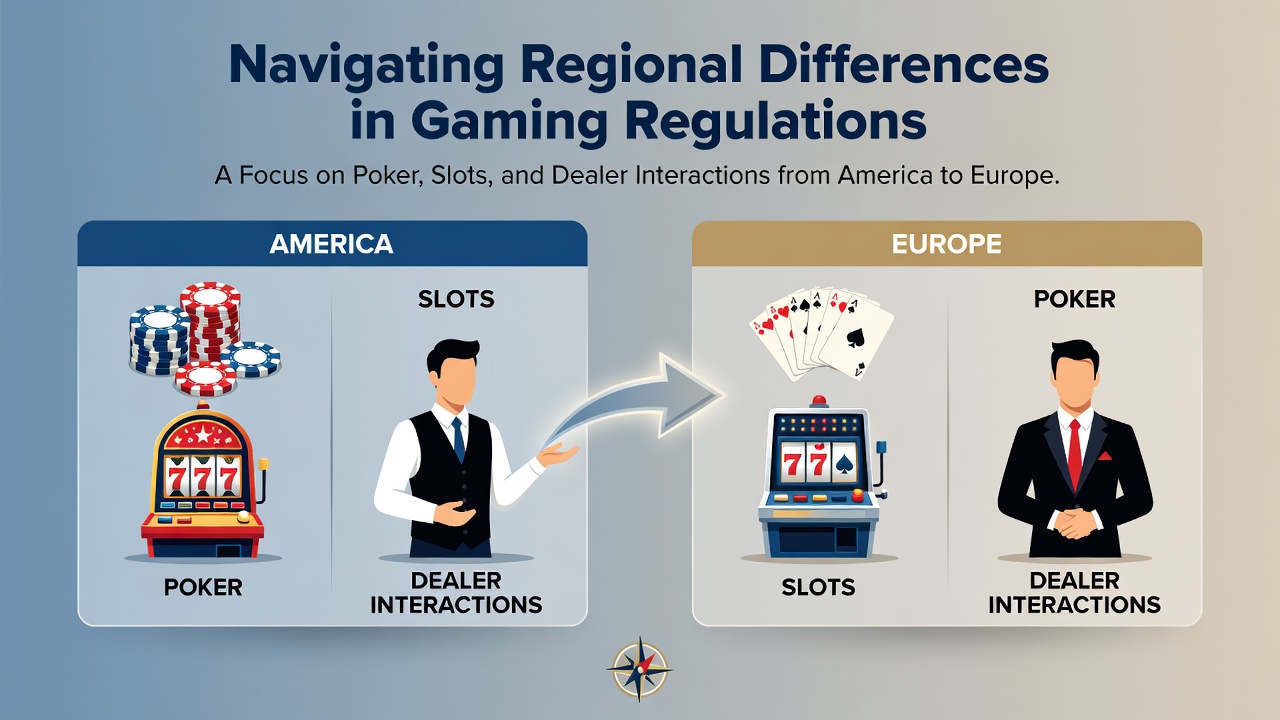
Regulatory landscapes for poker, slots, and dealer interactions differ sharply between American states and European nations, with licensing, player protections, and operational standards shaped by distinct legal traditions and market structures. Observers note that these variations affect everything from game availability to how live dealer sessions unfold in real time, and data from industry reports shows consistent growth in both regions despite the fragmented rules.
American State-Level Approaches to Poker and Slot Operations
Within the United States, poker regulation remains largely state-driven, so operators must secure separate approvals for each jurisdiction where they offer real-money play. States such as Nevada and New Jersey maintain dedicated gaming control boards that enforce strict licensing, age verification, and geofencing requirements, while other states continue to prohibit online poker entirely. Figures from the New Jersey Division of Gaming Enforcement reveal that licensed platforms processed millions of hands monthly in 2025, wth interstate compacts expanding access for players in participating states by early 2026.
Slot machines follow a parallel pattern, appearing primarily in licensed casinos or through state-approved online channels where permitted. Regulations typically cover random number generator certification, payout percentages, and responsible gaming tools such as deposit limits and self-exclusion lists. In June 2026, several Midwestern states are scheduled to review updated technical standards for online slots, focusing on integration with statewide self-exclusion databases.
Dealer Interactions Under US Oversight
Live dealer games in the United States operate under the same state licensing umbrella as other table games, requiring physical studios or partnered casino floors to meet surveillance and fairness standards. Interactions between dealers and players occur through video streams, with rules mandating clear identification of dealers and real-time monitoring to prevent collusion. Those who have examined enforcement records note that violations often result in fines or temporary shutdowns rather than outright bans, reflecting a compliance-first approach in mature markets like Pennsylvania and Michigan.
European Country-Specific Licensing Models
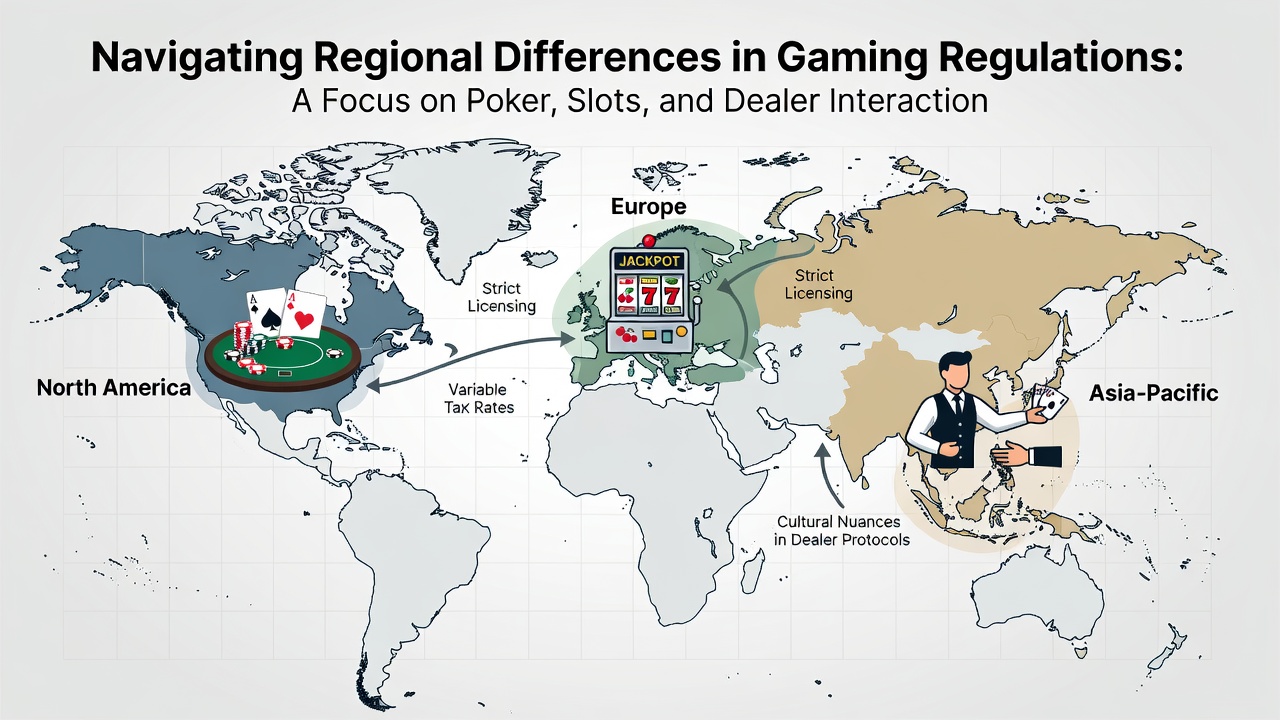
European frameworks distribute authority across individual nations, each maintaining its own licensing body and tax regime. Malta and Gibraltar have emerged as prominent hubs for online operators, issuing remote gaming licenses that allow platforms to serve multiple European markets under a single approval, though local laws in countries such as Sweden and the Netherlands impose additional player registration and advertising restrictions. According to reports from the European Gaming and Betting Association, licensed operators across the continent handled substantial transaction volumes in 2025, with ongoing adjustments to align with consumer protection directives.
Slots in Europe must comply with national technical requirements that often emphasize transparency in return-to-player percentages and mandatory testing by accredited laboratories. Dealer interactions receive similar scrutiny, especially in live casino environments where regulators require secure streaming facilities and language localization to match player bases in each territory. In June 2026, several member states plan to implement enhanced verification protocols for live dealer sessions, aiming to strengthen identity checks without disrupting gameplay flow.
Comparative Elements Across Regions
Poker enthusiasts encounter different tournament structures and cash game formats depending on the jurisdiction, with American platforms often emphasizing multi-state player pools and European sites focusing on national leaderboards. Slot offerings vary in volatility preferences and jackpot mechanics, shaped by local taxation and payout regulations that influence game design choices. Dealer interactions reflect broader cultural and legal norms, ranging from highly scripted procedures in US-regulated studios to more flexible communication styles permitted under certain European licenses.
Research from academic institutions tracking global gambling trends indicates that both regions continue to refine age-verification technologies and responsible gaming features, though implementation timelines differ. Those monitoring policy developments in June 2026 will likely see further harmonization efforts within Europe alongside incremental expansions of legal poker and slot access in additional American states.
Conclusion
Navigating these regional differences requires operators and players to stay informed about jurisdiction-specific rules governing poker, slots, and dealer interactions. Regulatory bodies on both sides of the Atlantic continue to update standards in response to technological advances and market data, creating an evolving environment where compliance remains central to sustainable operations.