Cross-Border Regulatory Ripple Effects: German Guides Informing Poker Promotions at US Vegas-Style Blackjack and Slot Venues with Live Dealer Integration
Written by Greta Koch · Jul 13, 2026
Cross-Border Regulatory Ripple Effects: German Guides Informing Poker Promotions at US Vegas-Style Blackjack and Slot Venues with Live Dealer Integration
Regulatory frameworks developed in Germany continue to shape promotional structures at American casino properties that blend traditional Vegas-style blackjack, slot machines, and live dealer poker formats. Observers note that guidelines issued under Germany's Interstate Treaty on Gambling create templates for bonus structures, player eligibility checks, and transparency requirements that operators in Nevada and other US jurisdictions adapt when designing integrated promotions.
German Regulatory Foundations and Their Reach
Data from European gaming authorities shows that Germany's approach to player protection and promotional disclosures sets measurable standards for cross-border operators. The 2021 updates to the treaty introduced strict rules on advertising spend limits, mandatory cooling-off periods, and clear separation between deposit bonuses and game-specific incentives. Those provisions now appear in policy documents reviewed by US gaming commissions when venues seek approval for multi-game promotions that include poker elements alongside blackjack and slots.
Researchers at institutions tracking international gambling law have documented how these German templates influence licensing applications in states where live dealer technology bridges physical and remote play. Figures reveal that several major properties in Las Vegas incorporated disclosure language modeled on German requirements when launching summer 2025 campaigns that bundled poker tournament entries with slot play and live blackjack sessions.
Adaptation at US Venues with Live Dealer Integration
US operators managing Vegas-style floors have adjusted their poker promotion mechanics to align with transparency standards first articulated in German guides. This alignment occurs because many platforms use the same live dealer software providers that must satisfy multiple regulatory regimes. When a venue offers a promotion allowing slot players to earn poker tournament tickets through live dealer blackjack tables, the terms must now specify wagering contributions, time limits, and eligibility criteria in language that mirrors German disclosure formats.
Industry reports indicate that by July 2026 several Nevada properties plan to roll out revised promotion structures that include real-time verification steps drawn from German player protection protocols. These steps require players to confirm identity and location before claiming bonuses that span poker, blackjack, and slots, reducing the risk of cross-jurisdictional compliance issues.
Technical and Operational Ripple Effects
Live dealer integration creates particular challenges because the same stream can feed both US-based tables and international audiences. Software providers therefore embed compliance modules that apply German-style spending caps and bonus conversion rules across all user sessions. Casino technology teams report that these modules automatically adjust promotion parameters based on player location data, ensuring that US players receive offers consistent with both state regulations and the underlying German templates.
One study released by a North American gaming research center found that venues adopting these hybrid systems experienced fewer regulatory queries during promotional audits. The study tracked properties that combined slot leaderboards with live poker qualifiers and noted that standardized disclosure language reduced approval times by measurable margins.
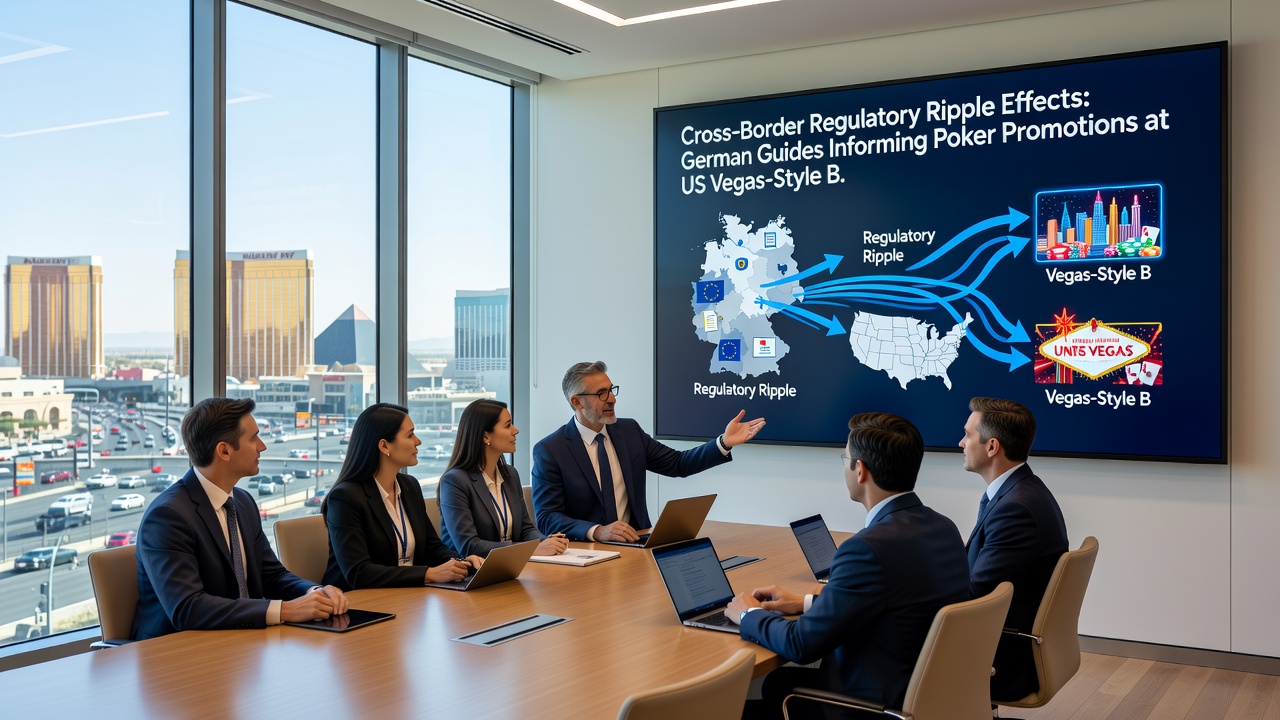
Examples from Current Implementations
Take the case of a major Strip property that introduced a promotion allowing players to convert slot points into live dealer poker buy-ins. The terms and conditions now include explicit statements on maximum bonus values, contribution percentages per game type, and mandatory verification intervals that follow patterns established in German guidelines. Similar language appears in promotions at properties in Atlantic City and emerging markets where live dealer networks operate.
According to records maintained by the Nevada Gaming Control Board, applications for these integrated promotions increased during 2025, with many citing harmonization with international standards as a factor in their design. Parallel developments appear in Canadian provincial frameworks where regulators reference both German and US models when reviewing cross-border live dealer operations.
Future Trajectories Through 2026
Planning documents shared among gaming associations show that further refinements will take effect around July 2026. These include enhanced reporting on promotional redemption rates across poker, blackjack, and slots, plus expanded use of German-style player self-exclusion tools within live dealer environments. US venues anticipate that these measures will streamline multi-state licensing while maintaining compatibility with the original European templates.
Evidence from pilot programs suggests that venues adopting unified compliance layers experience smoother integration between physical slot floors, blackjack pits, and remote poker offerings. The pattern indicates that German regulatory language continues to function as a reference point even as American operators tailor the specifics to local statutes.
Conclusion
Cross-border influences from German gambling guidelines have produced concrete changes in how US venues structure poker promotions within Vegas-style blackjack and slot environments that incorporate live dealer technology. Licensing records, software configurations, and promotional materials all reflect measurable adoption of disclosure standards and verification processes first developed abroad. As implementation milestones approach in July 2026, these adaptations demonstrate ongoing regulatory interplay between jurisdictions without requiring direct harmonization of statutes.