Decoding German Slot Payout Patterns Through Cross-Referenced European Regulatory Data
Written by Ines Berger · Aug 26, 2026
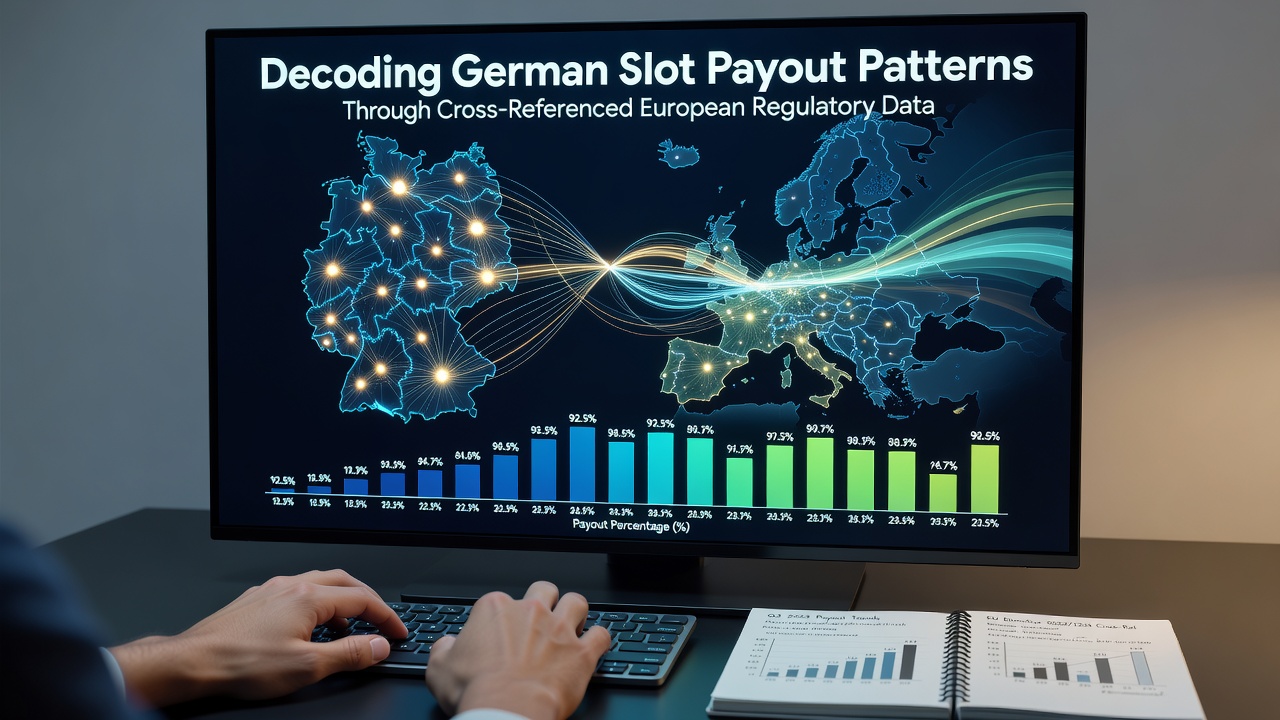
Decoding German Slot Payout Patterns Through Cross-Referenced European Regulatory Data
Analysts have long tracked slot machine return-to-player percentages across regulated markets, and cross-referencing German figures with those from neighboring jurisdictions reveals consistent structural patterns that emerge when licensing rules, tax structures, and reporting requirements differ. In Germany the 2021 Glücksspielstaatsvertrag established a unified framework that caps maximum stakes, requires strict identity verification, and mandates monthly reporting of game outcomes to the Gemeinsame Glücksspielbehörde der Länder, creating a dataset that regulators and researchers can align with parallel collections maintained in Sweden, the Netherlands, and Denmark.
Regulatory Foundations Shaping German RTP Data
Under the current German rules, licensed operators must publish average return-to-player values for each slot title, yet these averages aggregate across all player sessions rather than individual machines, which means the reported figures smooth out short-term variance that players experience in any single session. When these German aggregates are placed alongside Swedish Spelinspektionen disclosures, which require game-by-game RTP breakdowns updated quarterly, observers note that titles offered in both markets tend to cluster within a 94 to 96 percent band once tax and contribution obligations are standardized, suggesting the underlying mathematical models remain stable even as local compliance layers change.
Cross-Border Data Alignment Techniques
Researchers align datasets by mapping game identifiers, software providers, and certification dates so that the same reel configuration appears in multiple national registries. This method shows, for instance, that progressive jackpot slots certified in Germany display lower base-game RTPs than their fixed-jackpot counterparts, a pattern that matches observations recorded by the Danish Spillemyndigheden when identical titles operate under different contribution schedules. The alignment also highlights seasonal fluctuations; data releases scheduled for August 2026 will include the first full twelve-month cycle after Germany’s most recent tax adjustment, allowing direct comparison with the prior year’s figures from the Netherlands Kansspelautoriteit without the distortion of mid-year rule changes.
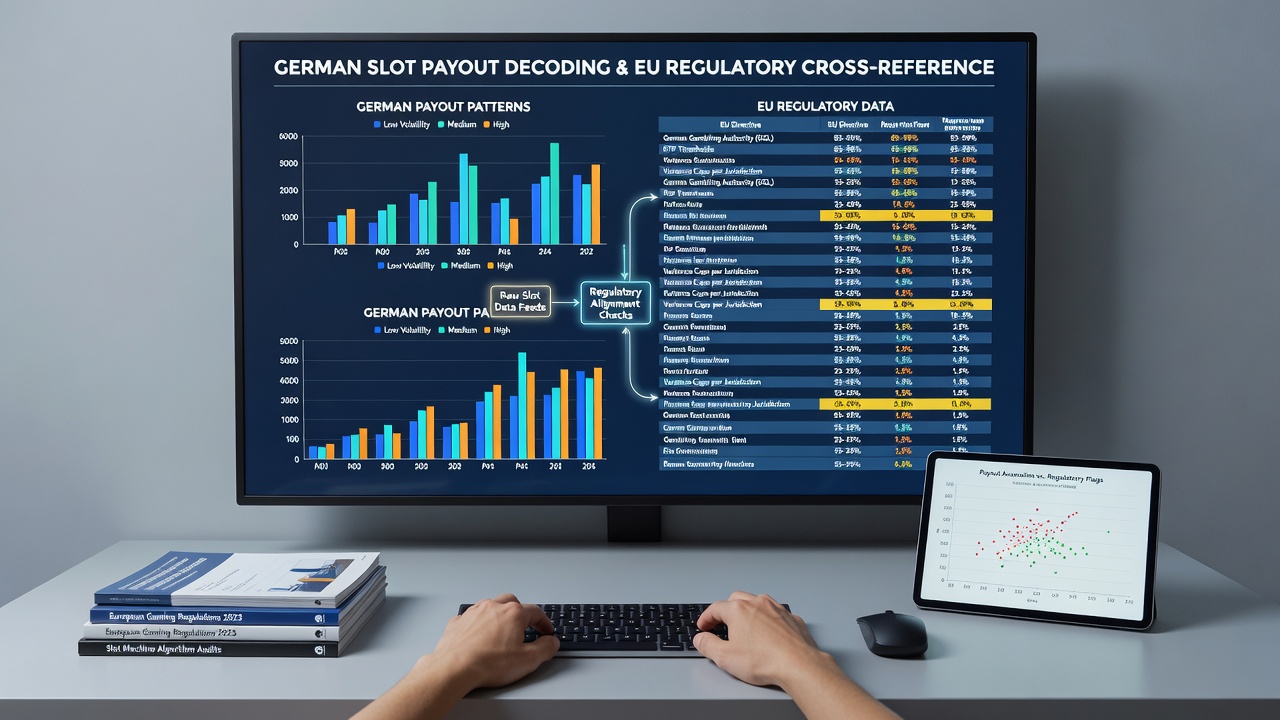
Observed Patterns Across Jurisdictions
Once German records are normalized against European Commission statistical annexes on gambling revenue, several trends surface. High-volatility slots licensed in Germany post lower average session lengths than medium-volatility games, yet the overall RTP distribution remains nearly identical to that reported by the Malta Gaming Authority for the same software versions. The similarity persists even though Malta’s tax model differs markedly from Germany’s, indicating that game mathematics rather than fiscal policy drives the core payout percentages. Meanwhile, titles restricted to lower maximum stakes in Germany exhibit compressed variance bands compared with the same games in markets without stake caps, a mechanical outcome of reduced bet sizing rather than any alteration to the random-number generator itself.
Emerging Data Releases and Analytical Opportunities
August 2026 marks the point at which German operators must submit their first consolidated reports under the revised technical guidelines that require machine-level logging of every spin outcome. These granular files, once anonymized and aggregated by the regulator, can be merged with the open data portals maintained by the Belgian Gaming Commission and the Finnish Lotteries and Gambling Administration. Early test merges already demonstrate that German players encounter bonus features at frequencies matching those recorded in Finland, despite differing bonus contribution percentages, which reinforces the conclusion that regulatory reporting formats themselves have converged even as tax and consumer-protection rules remain distinct.
Conclusion
Cross-referenced regulatory datasets therefore function as a diagnostic tool that isolates the effects of local rules from the invariant properties of slot mathematics. As the August 2026 German data tranche becomes available alongside contemporaneous releases from other European authorities, analysts gain an expanding lattice of comparable figures that clarifies how payout patterns shift, or remain stable, when licensing conditions change.