European Regulatory Impacts on US Poker Promotion Offerings
Written by Ines Berger · Jun 10, 2026
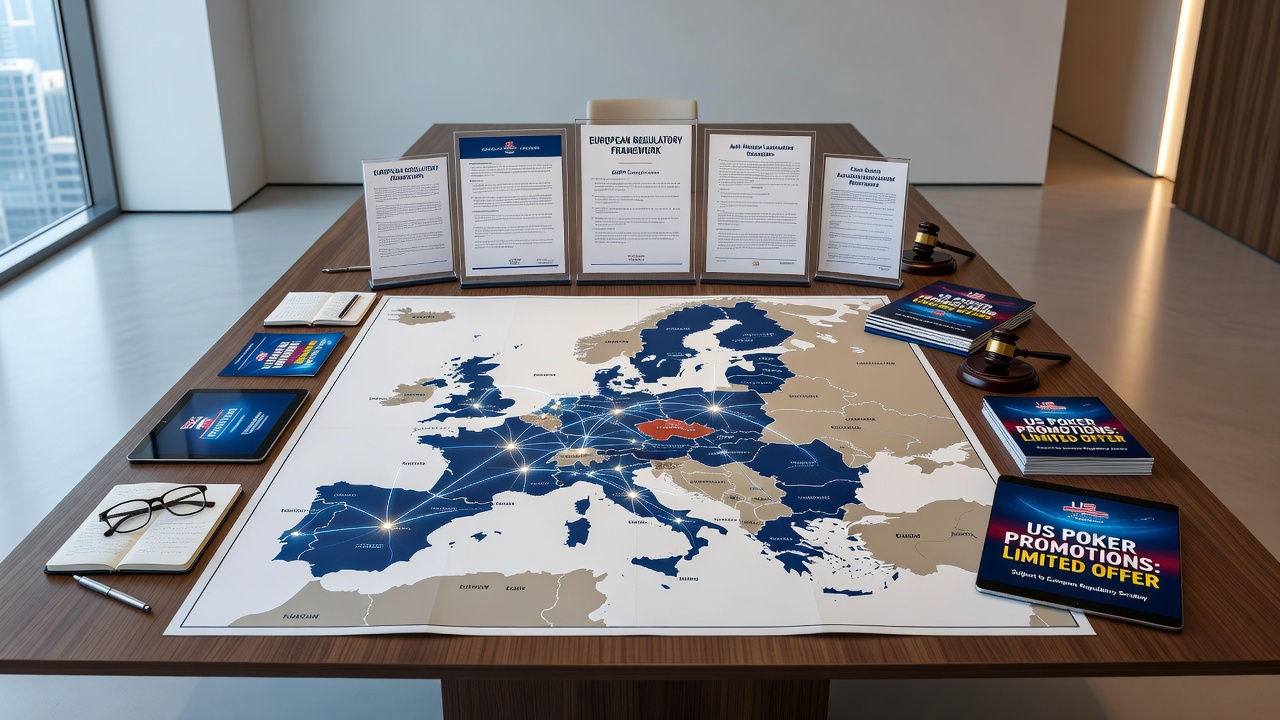
European Regulatory Impacts on US Poker Promotion Offerings
European regulations continue to reshape how operators structure poker promotions for American audiences even as the US market develops its own state-level frameworks. Data from industry reports shows that rules originating in the EU on advertising standards, bonus transparency, and player protection often set benchmarks that American platforms reference when designing deposit matches, freerolls, and loyalty rewards.
Cross-Border Influence on Bonus Structures
Operators serving states such as New Jersey and Pennsylvania frequently align promotion terms with European guidelines on clear wagering requirements and withdrawal conditions because those standards reduce compliance friction for international software providers. Figures reveal that many US-facing poker rooms now display bonus percentages and playthrough multipliers in formats that mirror disclosures required under Malta Gaming Authority oversight, even though those rooms operate under separate state licenses.
Researchers at European academic institutions have documented how similar transparency rules affect player retention rates, and those findings circulate among compliance teams in the United States. One study tracked changes in bonus uptake after clearer terms were introduced, and the patterns prompted several American operators to revise their June 2026 promotion calendars ahead of schedule.
Advertising Restrictions and Their Reach
Strict controls on gambling advertising in several EU member states limit the use of celebrity endorsements and time-limited urgency tactics, and those constraints have prompted US poker sites to adopt more measured language in email campaigns and banner ads. Observers note that platforms targeting both domestic and international traffic often maintain separate creative libraries to satisfy the stricter European rules while still meeting state advertising codes.
Industry associations on both sides of the Atlantic exchange information on emerging best practices, which means a restriction introduced in one jurisdiction can appear in policy documents elsewhere within months. This exchange explains why certain welcome-bonus structures that once featured aggressive multiplier language now include cooling-off periods and spending caps regardless of the player's location.
AML and Data-Handling Requirements
Anti-money laundering directives originating in the European Union require detailed customer verification steps that many US poker operators have incorporated into their registration flows to maintain relationships with European payment processors. Although American states enforce their own know-your-customer standards, the overlapping documentation demands create consistent data-collection practices across borders.
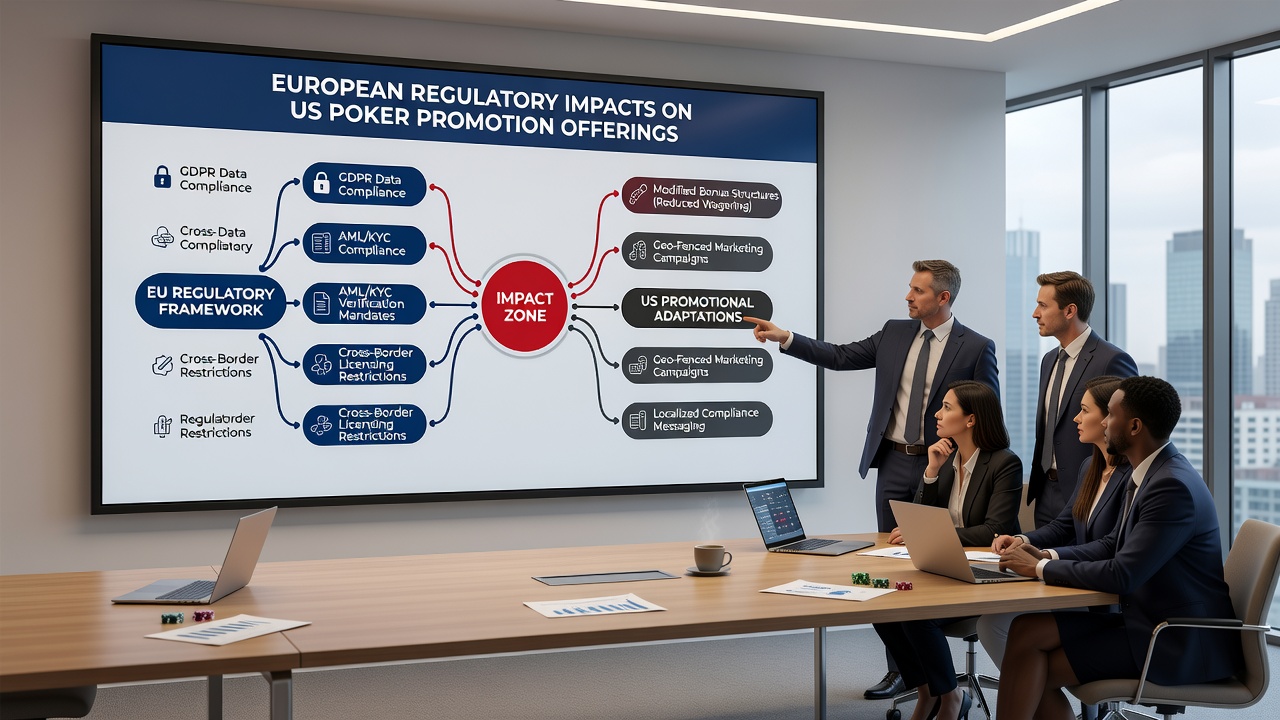
According to reports published by the Canadian Gaming Association, harmonized verification processes improve operational efficiency for multi-jurisdictional platforms and reduce the likelihood of account freezes during large tournament payouts. Those efficiencies matter because many US poker promotions now tie reward eligibility to verified account status that satisfies both domestic and international criteria.
Player Protection Measures in Practice
European emphasis on responsible gaming tools such as deposit limits and self-exclusion lists has influenced the feature sets offered by US-facing poker clients. Data indicates that rooms operating in regulated American states increasingly provide these tools by default rather than as optional add-ons, partly because the software providers serving the European market already include them in core builds.
What's interesting is how these tools interact with promotional calendars. Operators must now ensure that bonus offers do not override self-exclusion settings or encourage play beyond chosen limits, and this requirement has led to automated checks that run before any reward is credited. Similar logic appears in guidance issued by the New Jersey Division of Gaming Enforcement, which references comparable European standards when reviewing promotion approvals.
Projected Developments Through 2026
By June 2026 several US state regulators are expected to finalize updated advertising codes that draw language from European consumer-protection directives. Industry forecasts suggest that poker promotions will feature even more granular disclosure of bonus values and expiration dates, aligning with trends already visible in markets that adopted unified EU rules earlier.
Trade groups such as the European Gaming and Betting Association continue to publish position papers that track these shifts, and American compliance officers reference the same documents when preparing for regulatory reviews. The result is a gradual convergence in how promotions are presented even when licensing regimes remain distinct.
Conclusion
European regulatory frameworks exert measurable influence on the design and presentation of poker promotions available to US players through shared software standards, compliance practices, and information exchange among oversight bodies. As state-level markets mature, the patterns established under EU directives continue to inform the tools, disclosures, and verification steps that operators implement. Those connections ensure that changes in one region can produce observable effects in promotion structures on the other side of the Atlantic without requiring identical licensing systems.