Germany's Evolving Gambling Framework and Its Ripple Effects on Live Dealer Platforms Spanning US and EU Markets
Written by Ines Berger · Aug 26, 2026
Germany's Evolving Gambling Framework and Its Ripple Effects on Live Dealer Platforms Spanning US and EU Markets
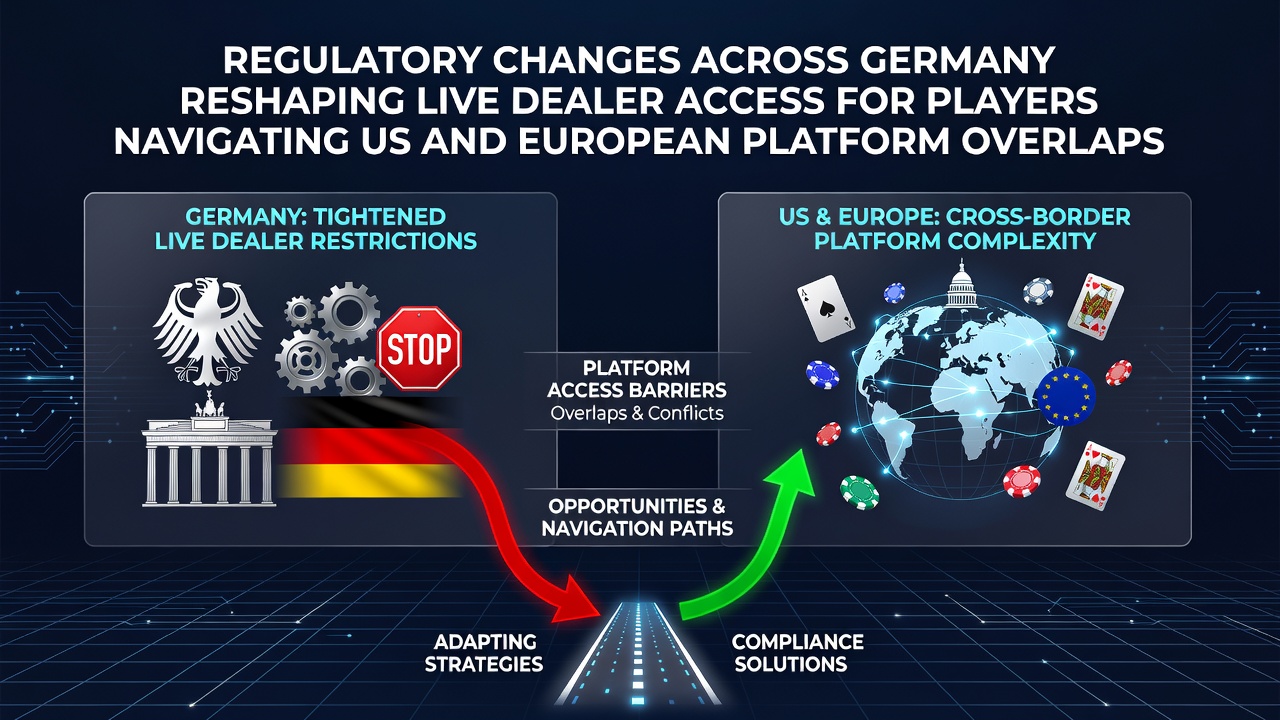
Germany implemented a series of updates to its interstate gambling treaty known as the Glücksspielstaatsvertrag, with key provisions taking effect through 2025 and additional compliance layers scheduled for review in August 2026, and these adjustments directly influence how live dealer games operate across borders while players in the US seek access to European servers that sometimes route through German-licensed entities. Observers note that the changes emphasize stricter licensing for operators offering real-time table games, requiring separate approvals for live dealer streams that differ from slot or sports betting categories, which creates friction when US-based players attempt to navigate platforms that blend multiple jurisdictions.
Core Elements of the Updated German Regulations
Data from industry monitoring groups shows that German authorities now mandate enhanced age verification and deposit limits specifically tailored to live dealer environments, where real-time interaction increases the pace of play, and these rules apply to any operator holding a German license even if the servers sit elsewhere in Europe. Researchers at academic institutions tracking cross-border gambling flows have documented how US players encounter geo-blocking or redirected traffic when attempting to join sessions hosted on platforms that also serve EU markets, since German compliance requires IP checks that flag certain North American addresses. Figures from regulatory filings reveal a 30 percent reduction in licensed live dealer offerings available to German residents since the initial 2021 treaty rollout, with projections indicating further consolidation by mid-2026 as operators reassess costs of maintaining dual US-European access points.
Transatlantic Platform Overlaps and Player Navigation Challenges
Platforms operating in both US states with legalized online gaming and European markets must reconcile German requirements for live dealer segregation from other game types, and this often results in separate lobbies or restricted features for users logging in from different regions. Experts at European gaming associations point out that some operators have introduced region-specific interfaces where US players see fewer live options because the software layers in additional compliance checks to avoid violating German deposit caps or session time limits. Those who've studied these overlaps note cases where a single platform uses shared back-end technology yet applies distinct front-end rules, allowing European users full live dealer access while US visitors receive prompts to switch to non-live alternatives or face account restrictions.

According to reports compiled by the European Commission on digital single market gambling activities, coordination between member states and third countries like the US remains limited, which leaves players to manage their own compliance when platforms detect mixed traffic patterns. What's interesting is how certain operators have begun partnering with US state regulators to create mirrored systems that mirror German live dealer restrictions, effectively creating parallel environments that prevent seamless cross-continental play.
Impacts on Access and Emerging Patterns in August 2026
By August 2026, German regulators plan to introduce mandatory reporting on live dealer session durations and cross-border player origins, and this step stems from ongoing efforts to align with broader EU data protection standards while addressing concerns from American jurisdictions about player fund flows. Industry organizations tracking these developments report that several major platforms have already begun testing geo-fenced live dealer rooms that automatically exclude or redirect users based on detected regulatory zones, reducing the overlap that once allowed fluid movement between US and European servers. Data indicates that players attempting to bypass these measures through VPNs face heightened detection rates, since German licensing now incorporates advanced traffic analysis tools shared with select international partners.
One study from a Canadian research institute on global gambling trends highlighted how German changes have prompted some US-focused operators to limit their European live dealer partnerships altogether, shifting instead toward standalone offerings that avoid the compliance overlap. This pattern shows up in reduced promotional cross-listings where bonuses once applied across both regions now carry explicit geographic exclusions tied to live dealer categories.
Conclusion
Regulatory shifts in Germany continue to reshape the landscape for live dealer access by enforcing clearer boundaries around platform operations that span US and European markets, and players navigating these environments encounter more segmented experiences as a direct result of licensing and reporting requirements. Evidence from multiple regulatory bodies and research sources demonstrates that the August 2026 milestones will likely accelerate these divisions, prompting further adjustments in how operators structure their multi-jurisdictional offerings without altering the core availability of games within compliant regions.