Live Dealer Adoption Patterns Among Transitioning Slot Players
Written by Ines Berger · Jun 27, 2026
Live Dealer Adoption Patterns Among Transitioning Slot Players
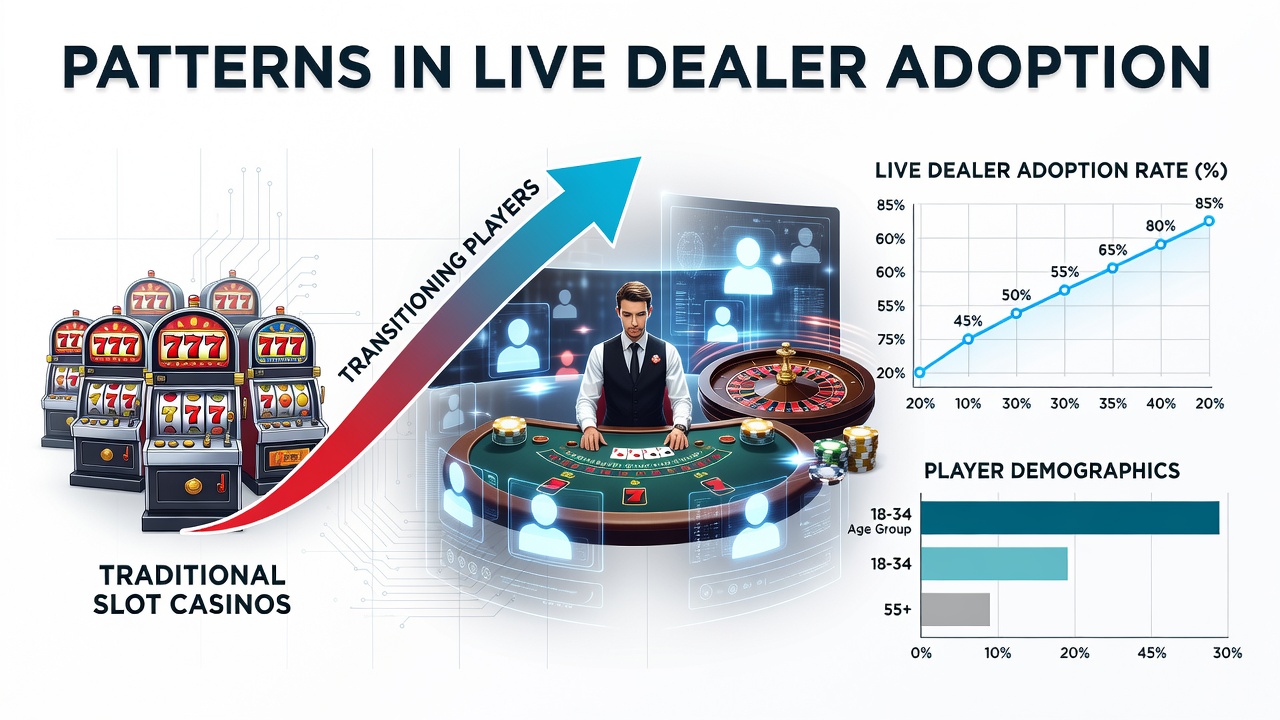
Players who once spent hours at physical slot machines in brick-and-mortar venues continue to explore live dealer formats once they move online, and adoption figures have climbed consistently into June 2026 according to multiple tracking sources. Research from the European Gaming and Betting Association indicates that roughly 42 percent of former slot-focused visitors now allocate at least part of their session time to live dealer blackjack or roulette within the first six months of digital play. Those numbers reflect broader shifts in platform design that replicate the social cues of land-based floors while adding convenience features unavailable in traditional settings.
Key Drivers Behind the Shift
Technology upgrades in streaming quality and mobile compatibility have removed many early barriers that once slowed live dealer uptake. Data compiled by the Nevada Gaming Control Board shows a 28 percent rise in interactive table participation among users who previously logged the majority of their activity on mechanical reels. Multi-camera setups, real-time chat functions, and bet-behind options allow participants to maintain the pace they enjoyed at physical casinos while accessing games from any location with a stable connection.
Demographic patterns reveal that adults aged 35 to 54 represent the largest segment making this transition, though younger cohorts aged 25 to 34 demonstrate faster initial conversion once exposed to promotional free-play rounds. Observers note that loyalty programs carried over from physical venues often include live dealer credits, which further accelerates experimentation without requiring additional deposits.
Regional Variations in Uptake
European markets display earlier and more sustained engagement compared with many North American jurisdictions, where regulatory rollout timelines differ by state. Figures released by the Malta Gaming Authority highlight that live dealer traffic from slot-origin players grew 19 percent year-over-year through mid-2026, driven by integrated lobbies that place table games adjacent to familiar slot titles. In contrast, certain Canadian provinces report slower but steady gains once licensing frameworks permitted combined slot and table offerings on the same platform.
Asian markets outside regulated zones show informal adoption through offshore sites, yet official statistics remain limited. University-led studies from Singapore Management University have documented that players who migrate from high-volume slot sessions often begin with lower-stake live dealer variants before increasing limits, suggesting a cautious testing phase rather than immediate high-roller behavior.
Behavioral Patterns Observed in Session Data
Session-length analysis indicates that users who combine slots with live dealer tables maintain longer overall play periods than those who remain slot-exclusive. One study released by the University of Nevada, Reno tracked anonymized accounts and found average session duration extended by 14 minutes when live dealer segments were included. Chat interaction logs further reveal that many transitioning players initiate conversations during dealer shuffles, replicating the ambient social environment they recall from casino floors.
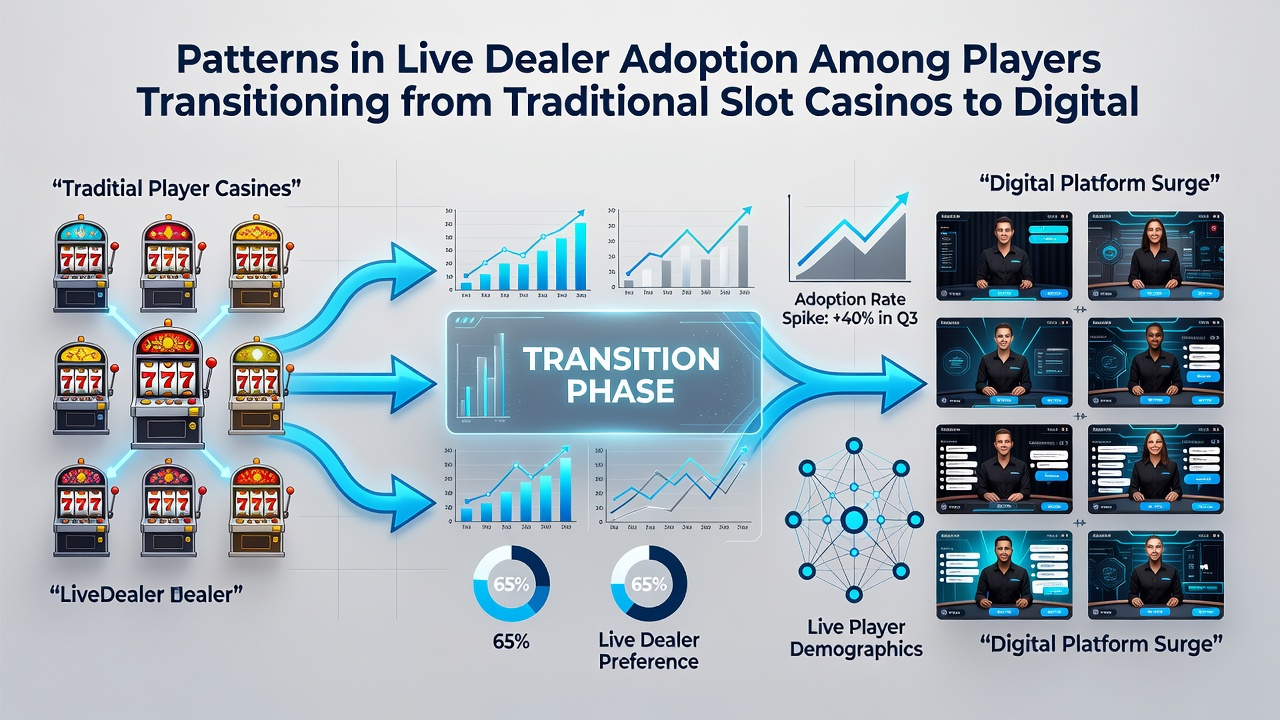
Payment method preferences also shift during this transition. E-wallet usage rises among those who sample live dealer games, while credit card transactions remain dominant for pure slot activity. Researchers attribute the change to higher average bet sizes at tables, which prompt players to seek faster withdrawal processing and enhanced security features.
Platform Features That Support Continued Engagement
Operators have introduced hybrid lobbies that surface live dealer recommendations based on a player's historical slot volatility preferences. Algorithms detect whether a user favors high-frequency low-stake spins or occasional bonus rounds and then suggest tables with comparable pacing. This matching reduces the learning curve that once discouraged first-time live dealer attempts.
Seasonal promotions tied to major sporting events or holidays frequently bundle slot free spins with live dealer seat reservations, creating low-risk entry points. Tracking services note that redemption rates for such bundles exceed 60 percent among accounts active for more than three months, indicating sustained interest rather than one-off trials.
Conclusion
Patterns emerging through June 2026 demonstrate that players moving from traditional slot casinos adopt live dealer formats at measurable rates when platforms reduce friction through familiar interfaces, targeted promotions, and improved streaming reliability. Regional regulatory timelines and demographic factors continue to shape the speed of this transition, yet the underlying data show consistent movement toward integrated digital experiences that blend reel-based and table-based entertainment. Continued monitoring by industry bodies and academic researchers will clarify whether these early trends stabilize or evolve further as technology and licensing frameworks advance.