Navigating Blackjack Site Algorithms: How Vegas Traditions Influence German Regulatory Frameworks for Live Dealer Alternatives
Written by Eden Brooks · Jun 13, 2026

Navigating Blackjack Site Algorithms: How Vegas Traditions Influence German Regulatory Frameworks for Live Dealer Alternatives
Blackjack algorithms on online platforms draw directly from decades of mechanical and procedural standards first refined in Las Vegas casinos, where physical shuffling machines and house-edge calculations established benchmarks for fairness that later migrated into digital systems. These foundational elements continue to shape how German regulators evaluate live dealer alternatives, which must replicate verifiable randomness while complying with strict state-level licensing rules under the amended Glücksspielstaatsvertrag.
Vegas Origins of Blackjack Algorithms
Las Vegas operators introduced continuous shuffle machines in the 1990s to counter card counting, and software developers translated those same periodic reshuffle intervals into random number generator protocols that govern virtual blackjack tables today. Data from the Nevada Gaming Control Board shows that early electronic systems achieved house edges between 0.5 and 2 percent through precise deck penetration rules, a standard that German authorities now reference when approving live dealer software. Observers note that many European platforms still embed similar penetration thresholds in their code to maintain consistency with historical Vegas practices.
Transfer of Procedural Standards to European Markets
German regulators examine algorithm transparency reports that mirror the audit trails once required by Nevada casinos, requiring providers to submit source code reviews and statistical payout data before granting licenses for live dealer alternatives. Those who've studied cross-jurisdictional compliance recognize that German frameworks incorporate elements of the Nevada model, such as mandatory third-party testing for random number generators, yet adapt them to EU data-protection requirements. What's interesting is how live dealer streams must now demonstrate equivalent shuffle integrity to physical Vegas tables while operating under real-time German oversight.
Regulatory Adaptation in Germany
The Gemeinsame Glücksspielbehörde der Länder evaluates live dealer platforms against criteria that echo Vegas-era anti-cheating measures, including mandatory logging of every card dealt and independent verification of algorithm outputs. Research indicates that German licensing applications frequently cite historical Nevada shuffle studies when justifying their choice of random number generator cycles. And as June 2026 approaches, scheduled reviews of the interstate gambling treaty are expected to incorporate updated benchmarks drawn from both American and European testing protocols.
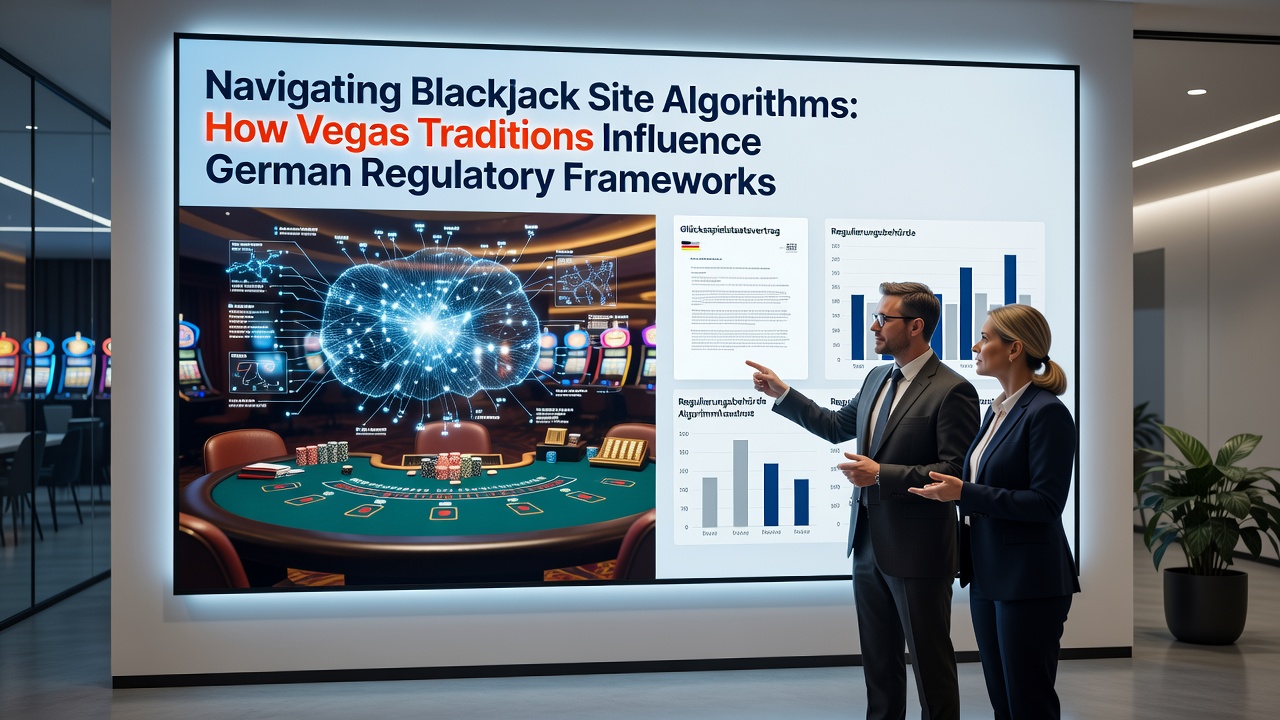
Live dealer alternatives in Germany therefore operate under hybrid rules that blend Vegas-derived algorithm specifications with national demands for player fund segregation and real-time monitoring. Industry reports reveal that operators often maintain separate algorithm versions for different markets, preserving the core Vegas shuffle logic while adding German-mandated audit hooks.
Live Dealer Alternatives and Algorithm Compliance
Platforms offering live dealer blackjack must prove that their video streams and underlying random number generators produce results statistically indistinguishable from those measured in Las Vegas pits during the 1980s and 1990s. Academic papers from European gaming research centers document how German authorities cross-reference these historical distributions when assessing new entrants. The ball remains in the operators' court to demonstrate that their systems prevent both traditional card-counting exploits and modern software-based prediction attempts.
Future Alignment and Ongoing Reviews
By June 2026 the next round of German regulatory updates is projected to formalize additional algorithm disclosure requirements that trace their lineage to Nevada Gaming Control Board guidelines. Those who've tracked these developments note that the emphasis remains on verifiable fairness rather than prescriptive technology choices, allowing live dealer providers flexibility while preserving core protections established decades earlier in Las Vegas. External audits continue to serve as the primary mechanism for confirming that imported algorithmic traditions meet contemporary German standards.
Conclusion
The interplay between established Vegas blackjack practices and current German regulatory structures produces a framework in which live dealer alternatives must satisfy both historical performance metrics and modern compliance obligations. Data from multiple jurisdictions shows that this layered approach sustains player trust while accommodating technological evolution in algorithm design.