Navigating Cross-Border Payment Flows That Underpin Poker Tournaments Spanning US and Continental European Platforms
Written by Eden Brooks · Aug 5, 2026
Navigating Cross-Border Payment Flows That Underpin Poker Tournaments Spanning US and Continental European Platforms
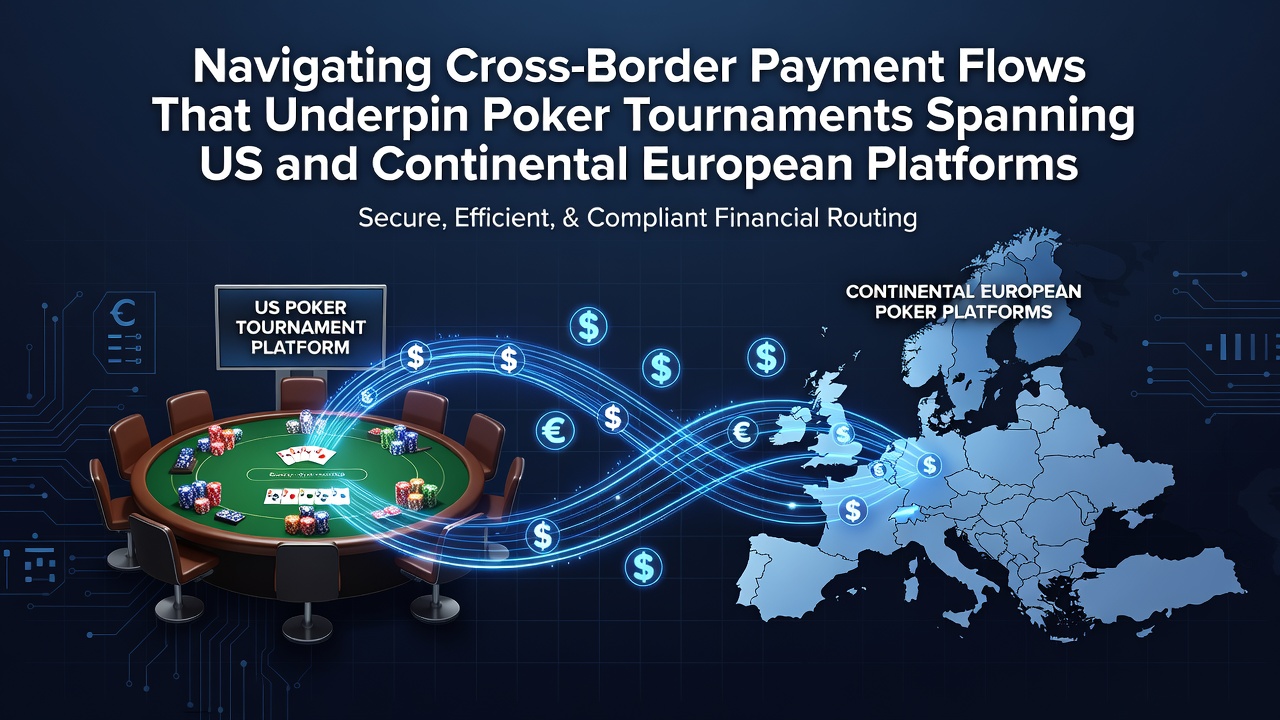
Cross-border payment systems form the backbone of poker tournaments that connect operators based in the United States with those operating across continental Europe, and data from regulatory filings show these flows must navigate distinct banking protocols, currency regulations, and anti-money laundering requirements on each side of the Atlantic. Tournament organizers coordinate prize pools that move through a combination of wire transfers, automated clearing house networks, and specialized financial technology platforms while complying with rules enforced by bodies such as the Financial Crimes Enforcement Network in the US and the European Banking Authority.
Regulatory Frameworks Governing Transatlantic Transfers
US platforms participating in joint events must adhere to the Bank Secrecy Act and subsequent amendments that mandate detailed reporting for transactions exceeding ten thousand dollars, whereas continental European entities follow directives from the European Union that emphasize real-time monitoring under the Fifth Anti-Money Laundering Directive. Observers note that these overlapping obligations create layered verification steps for player identities and fund origins before any prize distribution occurs. In August 2026 several jurisdictions updated their guidance on virtual asset service providers, requiring additional documentation when cryptocurrency wallets are used to settle portions of international tournament winnings.
Core Payment Mechanisms and Settlement Timelines
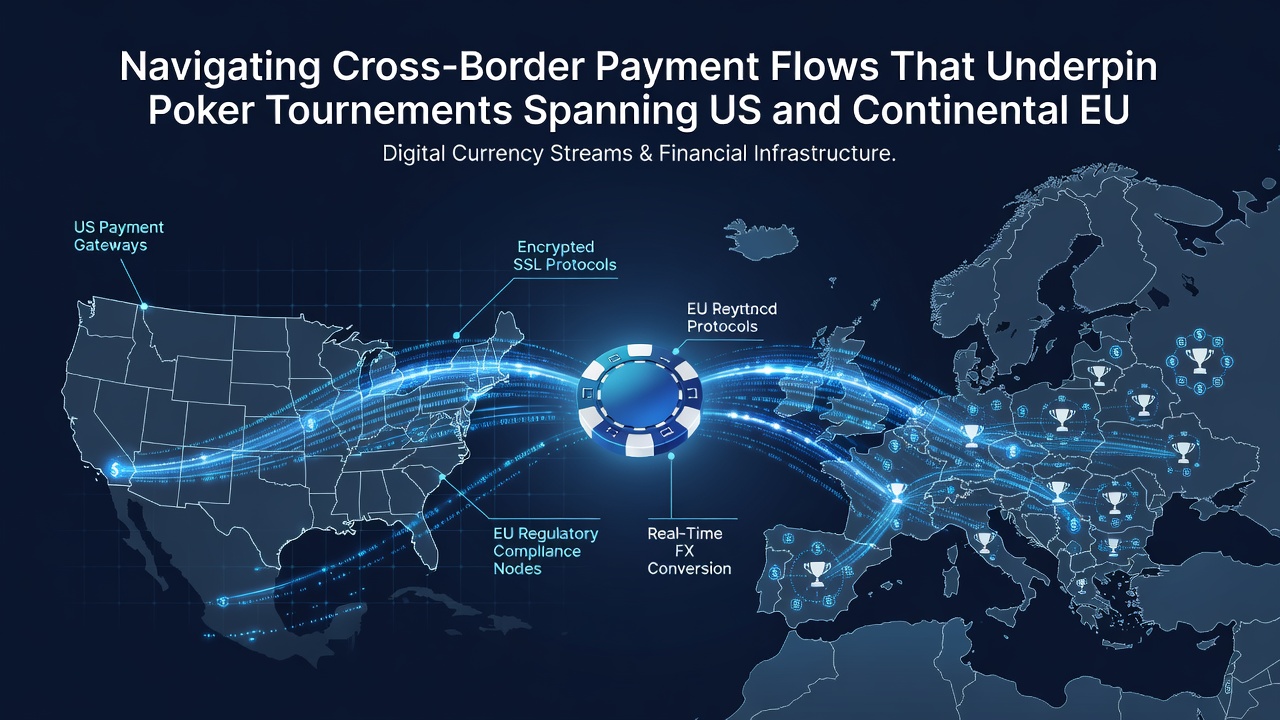
Traditional bank wires remain the primary channel for large-scale prize movements because they offer established correspondent banking relationships between US institutions and European banks, yet settlement often takes two to five business days depending on intermediary involvement. Single Euro Payments Area transfers handle intra-European legs efficiently when tournaments route funds through hubs in Germany or the Netherlands, while US operators rely on Fedwire or Clearing House Interbank Payments System rails for domestic legs that later convert to euros. Figures from industry reports indicate that currency conversion fees and foreign exchange spreads can reduce net payouts by one to three percent unless platforms negotiate volume-based rates with liquidity providers.
Role of Technology in Reducing Friction
Specialized payment processors have introduced application programming interfaces that automate compliance checks and generate audit trails acceptable to both US and EU supervisors, and these tools integrate with tournament management software to flag high-risk jurisdictions automatically. Research from academic papers on financial technology adoption shows that blockchain-based settlement pilots reduced reconciliation times from days to hours in controlled environments involving US and French poker operators. Players and organizers benefit when platforms embed these solutions because they minimize manual intervention while maintaining records required for tax reporting across borders.
Tax Withholding and Reporting Obligations
Withholding requirements differ sharply: US federal rules impose thirty percent backup withholding on certain winnings paid to non-resident aliens unless treaty documentation is provided, while many continental European countries apply domestic income tax rules that depend on the player's residency status and the tournament's location. Tournament administrators must therefore collect and transmit forms such as the W-8BEN alongside equivalent EU declarations to avoid penalties from both the Internal Revenue Service and national revenue authorities. Data compiled by international accounting firms reveal that mismatches in taxpayer identification numbers frequently delay disbursements until corrected through follow-up verification.
Case Examples of Operational Coordination
One documented series of events involved a multi-platform series that routed entry fees collected in US dollars through a licensed money transmitter in Delaware before converting and distributing euros via SEPA to players registered in France, Spain, and Italy. Another arrangement used a Canadian-based processor as an intermediary to leverage North American Free Trade Agreement-era banking corridors, although post-2020 updates to those agreements required fresh licensing reviews. Such examples illustrate how operators select jurisdictions with favorable regulatory clarity to host the central clearing account that underpins the entire event.
Emerging Trends and Infrastructure Developments
Central bank digital currency initiatives underway in both the eurozone and the United States are expected to influence future settlement rails, with pilot programs exploring atomic swaps that could eliminate traditional correspondent bank fees for tournament prize movements. Industry associations have published white papers outlining standardized messaging formats that would allow real-time tracking of funds across jurisdictions while preserving privacy protections mandated by the General Data Protection Regulation. Those who have studied these developments note that adoption timelines remain uncertain because legislative approval in multiple parliaments and congressional committees must occur first.
Conclusion
Payment flows supporting US-European poker tournaments continue to evolve through incremental improvements in technology, regulatory harmonization efforts, and infrastructure upgrades that address both speed and compliance. Operators that maintain robust documentation practices and diversified banking relationships position themselves to execute prize distributions without interruption even as rules shift in August 2026 and beyond. Continued collaboration between financial institutions, regulators, and platform providers will determine how efficiently these cross-border movements operate in the years ahead.