Poker Promotions: Forging Links Between US Casino Roots and Europe's Expanding Scene
Written by Ines Berger · Jul 8, 2026

Poker Promotions: Forging Links Between US Casino Roots and Europe's Expanding Scene
American casino traditions have long centered on poker as a social and strategic anchor, and those same foundations now appear in European markets through targeted promotions that blend incentives with cultural exchange. Data from industry reports shows poker rooms in Nevada and Atlantic City have used loyalty programs and tournament bonuses since the mid-20th century, while European operators in Malta and Spain adopted similar structures after regulatory shifts in the 2010s. The overlap creates measurable connections as US-style freerolls and deposit matches appear alongside European live dealer formats.
US Casino Traditions Shape Core Promotion Models
American poker rooms built their player bases through cashback offers and satellite entries that rewarded consistent play, and those tactics traveled across the Atlantic when European sites expanded live dealer tables. Observers note that Nevada Gaming Control Board records from earlier decades highlight how weekly tournaments with added prize pools became standard, and similar formats now surface in European jurisdictions where operators adjust stakes to match local preferences. This transfer happens because promotions reduce entry barriers while preserving the competitive edge that defines US poker heritage.
Research from the American Gaming Association indicates poker revenue in regulated US states reached steady growth through 2025, driven in part by reload bonuses that keep tables active during slower periods. European regulators in places like the Isle of Man have mirrored these approaches with seasonal leaderboards, creating parallel systems that allow players on both sides of the Atlantic to recognize familiar structures.
European Gaming Expansions Adopt and Adapt US Incentives
Europe's online and live poker growth accelerated after several countries updated licensing rules, and operators there incorporated American-style promotions to attract new audiences. Figures from the European Gaming and Betting Association reveal that live dealer poker tables increased notably between 2023 and 2025, often paired with welcome bonuses modeled on US deposit match offers. The adaptation works because European players encounter the same reward mechanics that American regulars have used for decades, yet the settings incorporate local tournament schedules and currency options.
One pattern stands out in July 2026 projections: several Maltese-licensed platforms plan expanded satellite events that feed into larger US-linked series, blending promotion calendars across regions. This scheduling aligns with summer travel patterns and creates shared calendars where a player in Spain can qualify for events that trace roots to American casino circuits.
Promotions Serve as Practical Cultural Connectors
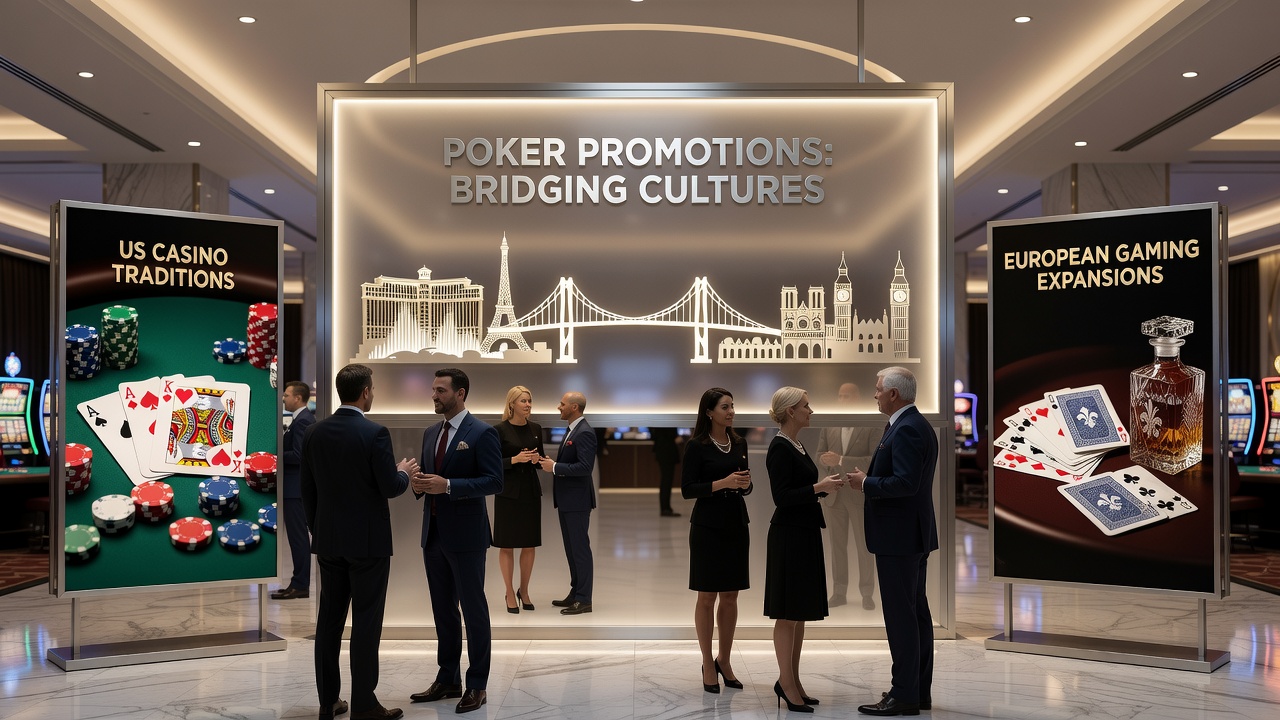
Deposit bonuses and rakeback deals function as bridges because they translate directly between markets without requiring players to learn entirely new systems. Studies from university gaming research groups show that when promotions carry consistent terms, cross-border participation rises, and operators respond by aligning payout structures. The result is a shared language of incentives that respects US emphasis on volume play while fitting European preferences for structured series.
Those who've tracked expansion data point to how US freerolls influenced European freemium models, where entry costs stay low yet prize pools scale with participation. This approach maintains the social aspect long associated with American poker rooms while accommodating the faster pace common in European live streams. Regulatory updates in Canada and Australia further illustrate the pattern, as similar bonus frameworks appear in markets that reference both US and EU standards.
Shared Data Trends Highlight Ongoing Integration
Traffic analytics from multiple jurisdictions demonstrate that promotional periods generate overlapping spikes in both US and European poker activity. When a major US operator runs a summer series, European sites often schedule parallel qualifiers within days, producing measurable crossover in player accounts. Industry reports note this synchronization strengthens retention because participants recognize the mechanics regardless of location.
Academic papers on gambling economics have examined how these overlapping incentives affect player behavior across borders, finding that consistent reward language reduces confusion and supports longer engagement. The pattern continues into 2026 as operators refine cross-promotional calendars to match seasonal peaks on both continents.
Conclusion
Poker promotions continue to link American casino foundations with European market development through shared structures that travel well across regulatory environments. Records from gaming authorities and trade associations document steady adoption of familiar bonus types, while July 2026 calendars already reflect coordinated events that build on this exchange. The connections remain grounded in practical mechanics rather than abstract ideals, allowing traditions from US poker rooms to inform and expand alongside European growth.