Regional Licensing Variations Shaping Live Dealer Availability in Cross-Border Casino Networks
Written by Yves Neumann · Jun 15, 2026
Regional Licensing Variations Shaping Live Dealer Availability in Cross-Border Casino Networks
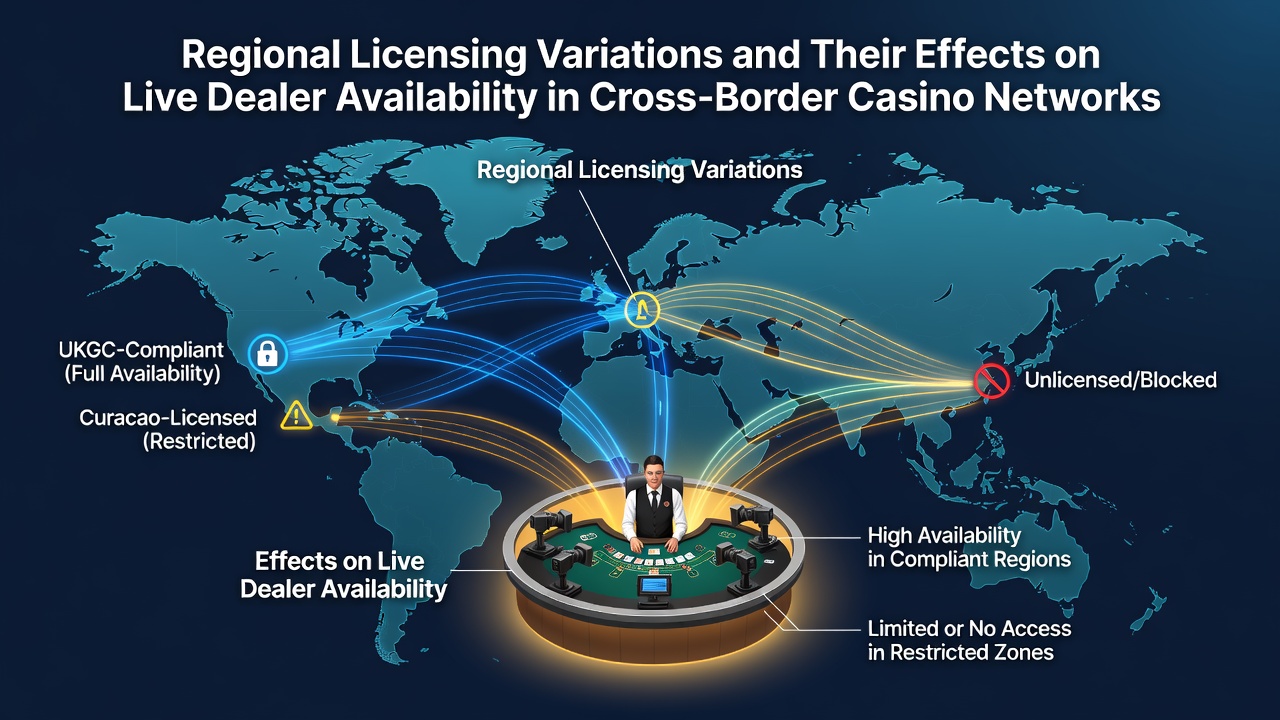
Regional licensing variations create distinct operational landscapes for live dealer games in cross-border casino networks, where regulatory frameworks in one jurisdiction often clash with those in another, and operators must navigate these differences to maintain service continuity. Data from industry reports shows that licensing standards in Europe emphasize strict player protection measures while those in parts of Asia focus more on revenue generation through controlled access, and this divergence directly influences which live dealer tables appear for users depending on their location.
Core Differences in Licensing Structures
Licensing authorities across regions establish unique requirements for game certification, server locations, and operator compliance that affect live dealer streaming capabilities, and these rules determine whether a network can offer real-time blackjack or roulette to players in multiple countries simultaneously. Observers note that while some jurisdictions demand local data storage for all gaming activity, others permit centralized hubs as long as certain transparency standards are met, which creates friction for platforms trying to scale live dealer offerings globally. Research indicates that certification processes can take months longer in heavily regulated markets, delaying the rollout of new dealer studios and limiting content variety for international users.
European Approaches to Oversight
European frameworks typically require detailed audits of live dealer software and physical studio conditions before granting operational approval, and networks operating across multiple member states must often secure separate approvals for each territory even when using the same dealer feeds. This layered system means that a live roulette table approved in one country may remain unavailable in a neighboring one until additional compliance steps are completed, and figures from trade associations reveal that such delays impact up to 30 percent of planned cross-border expansions each year. Those managing these networks frequently adjust game libraries by region to stay within local rules, resulting in uneven availability that users notice when traveling or using VPNs.
Impacts on Cross-Border Network Operations
Cross-border casino networks rely on shared live dealer infrastructure to reduce costs, yet licensing variations force many operators to maintain duplicate systems or restrict access based on player IP addresses and account registration details. Studies from gaming research institutions demonstrate that these restrictions reduce overall live dealer session times in markets with stricter rules, while users in more permissive regions enjoy broader selections including high-limit tables and specialized game variants. And when one country updates its licensing terms, the ripple effects can force network-wide adjustments that temporarily remove certain games from menus in unaffected areas as well.
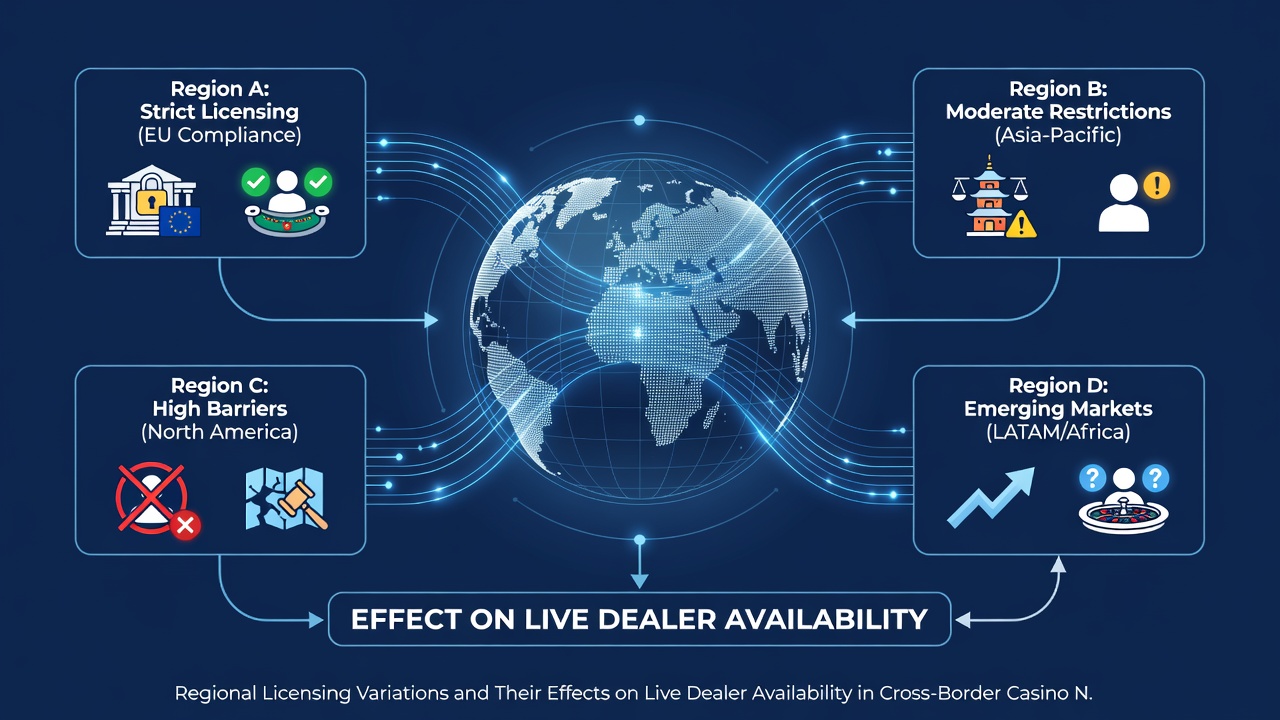
Take one major operator that restructured its European live dealer feeds after regulatory updates in several countries during 2025, and the changes led to selective game availability that persisted into mid-2026 while new licensing applications processed. Data shows similar patterns emerging in North American markets where state-by-state rules create patchwork access for live dealer blackjack and baccarat, and networks must geo-block content to avoid penalties. Those who've examined these networks know that server placement plays a critical role here, because jurisdictions demanding in-country hosting increase latency for distant players and sometimes reduce the quality of live streams.
Case Examples from Different Regions
In the Asia-Pacific region, licensing often ties live dealer availability to approved game types and maximum stake limits that vary sharply between countries, and networks serving multiple markets must customize offerings accordingly to remain compliant. Australian regulatory bodies, for instance, enforce specific technical standards for live streaming that differ from those applied in parts of Southeast Asia, leading operators to maintain separate dealer teams or rotation schedules. Research from academic sources tracking these patterns finds that such customization raises operational expenses by 15 to 25 percent compared to single-market operations, and the costs ultimately influence which games receive priority in cross-border catalogs.
North American examples highlight how tribal and state licensing interact with international networks, and platforms must secure agreements that align with both local and federal expectations before live dealer content reaches players. When one state modifies its rules, neighboring regions sometimes experience indirect effects through shared network infrastructure, and availability gaps appear until updates propagate. Experts tracking these developments point to ongoing adjustments expected around June 2026 as several jurisdictions finalize new technical guidelines for remote gaming.
Future Regulatory Trends
Regulatory bodies continue refining their approaches to live dealer technology, and emerging standards around artificial intelligence monitoring of game fairness could further differentiate licensing requirements across borders. Industry organizations report that operators are investing in modular studio designs that allow quick reconfiguration for different regional rules, and this flexibility helps maintain broader availability despite ongoing variations. Yet the underlying challenge remains: each new licensing update requires careful mapping against existing network capabilities to prevent service interruptions for users in multiple territories at once.
Conclusion
Regional licensing variations continue to define the boundaries of live dealer availability within cross-border casino networks, and operators respond by developing adaptive strategies that balance compliance with user access. Data from multiple regulatory sources shows these dynamics shaping content libraries in real time, and networks that successfully align their operations with diverse requirements maintain more consistent offerings across markets. As rules evolve through 2026 and beyond, the interplay between licensing standards and technological infrastructure will remain central to how live dealer experiences reach international audiences.