Transatlantic Dynamics: US Poker Network Expansions and Adaptations in German Live Dealer Platforms
Written by Ines Berger · May 16, 2026
Transatlantic Dynamics: US Poker Network Expansions and Adaptations in German Live Dealer Platforms
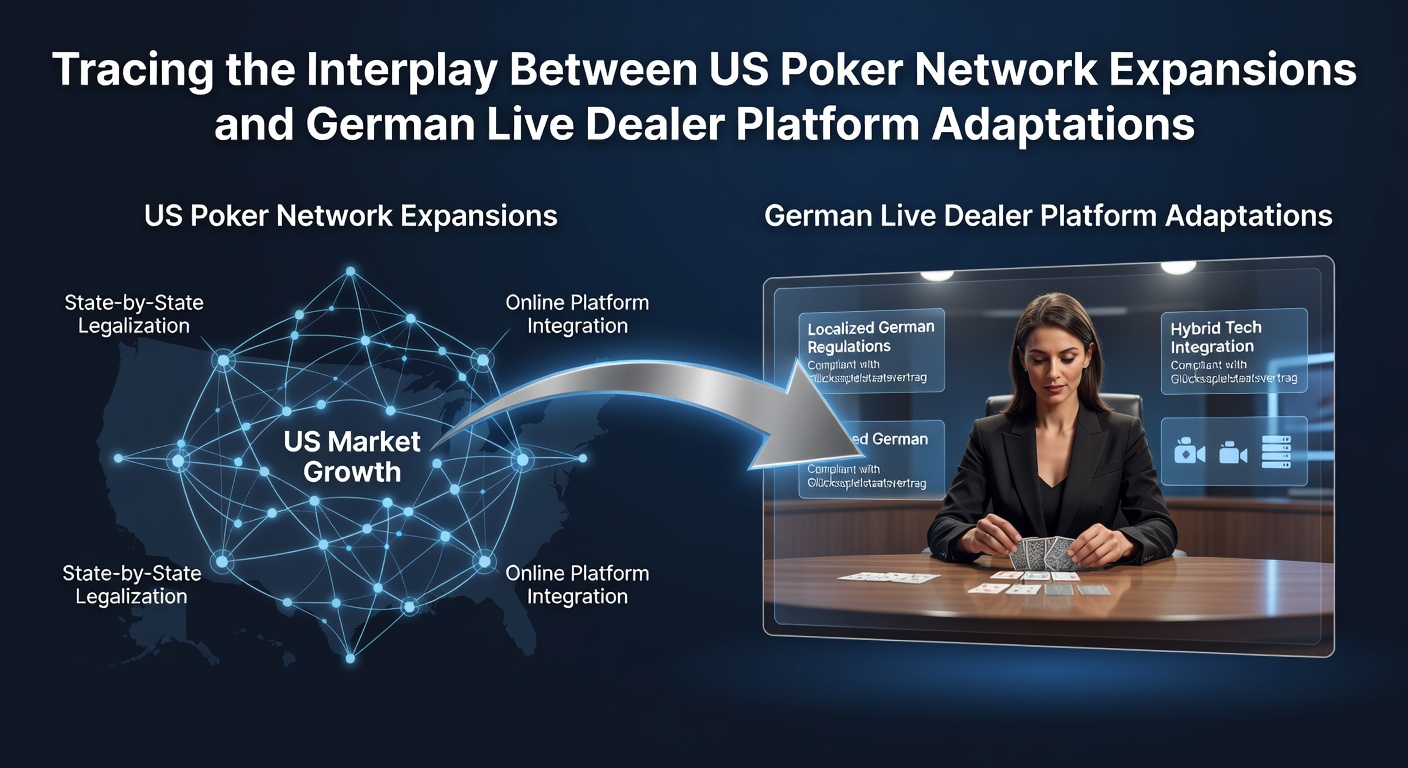
US poker networks have pursued steady expansions into regulated markets since the early 2010s, and these moves now intersect with German live dealer platforms that adjust their offerings to align with shifting player preferences and licensing requirements. Data from industry tracking services shows that major networks like those operating under multi-state compacts added over 120,000 new player accounts in 2025 alone, with growth concentrated in states such as Pennsylvania and Michigan. This expansion pattern coincides with German operators revising live dealer suites to include hybrid formats that blend traditional table games with poker variants.
Expansion Patterns in US Poker Networks
American operators secured additional licenses through 2025 and into early 2026, extending reach across more state lines while maintaining shared liquidity pools in permitted jurisdictions. Observers note that these networks integrated advanced geolocation tools and enhanced player verification systems to support cross-border play within federal guidelines, and the approach allowed for larger tournament structures that drew participants from multiple regions simultaneously. According to figures released by the New Jersey Division of Gaming Enforcement, gross gaming revenue from poker across licensed platforms reached $312 million in the fiscal year ending March 2026, reflecting a 14 percent increase from the prior period.
Network mergers and software upgrades played key roles in this growth phase, as platforms consolidated player bases to improve table availability during peak hours. One documented case involved a leading network partnering with a European technology provider to deploy faster dealing interfaces, which reduced average hand completion times by nearly 20 percent. These technical adjustments supported higher volume play without altering core game rules, and they positioned the networks for potential future integrations with international markets operating under compatible regulatory frameworks.
German Live Dealer Platforms Respond
German platforms operating under the Interstate Treaty on Gambling have introduced live dealer adaptations that mirror certain elements of US poker network features, including multi-table viewing options and integrated chat functions that facilitate player interaction during sessions. Research compiled by the European Gaming and Betting Association indicates that live dealer traffic on German-licensed sites rose 23 percent between January and May 2026, driven partly by demand for formats that combine roulette or blackjack with side poker bets. Operators updated studio setups to accommodate these hybrids, installing additional camera angles and real-time statistics overlays that align with viewer expectations shaped by US broadcast standards.
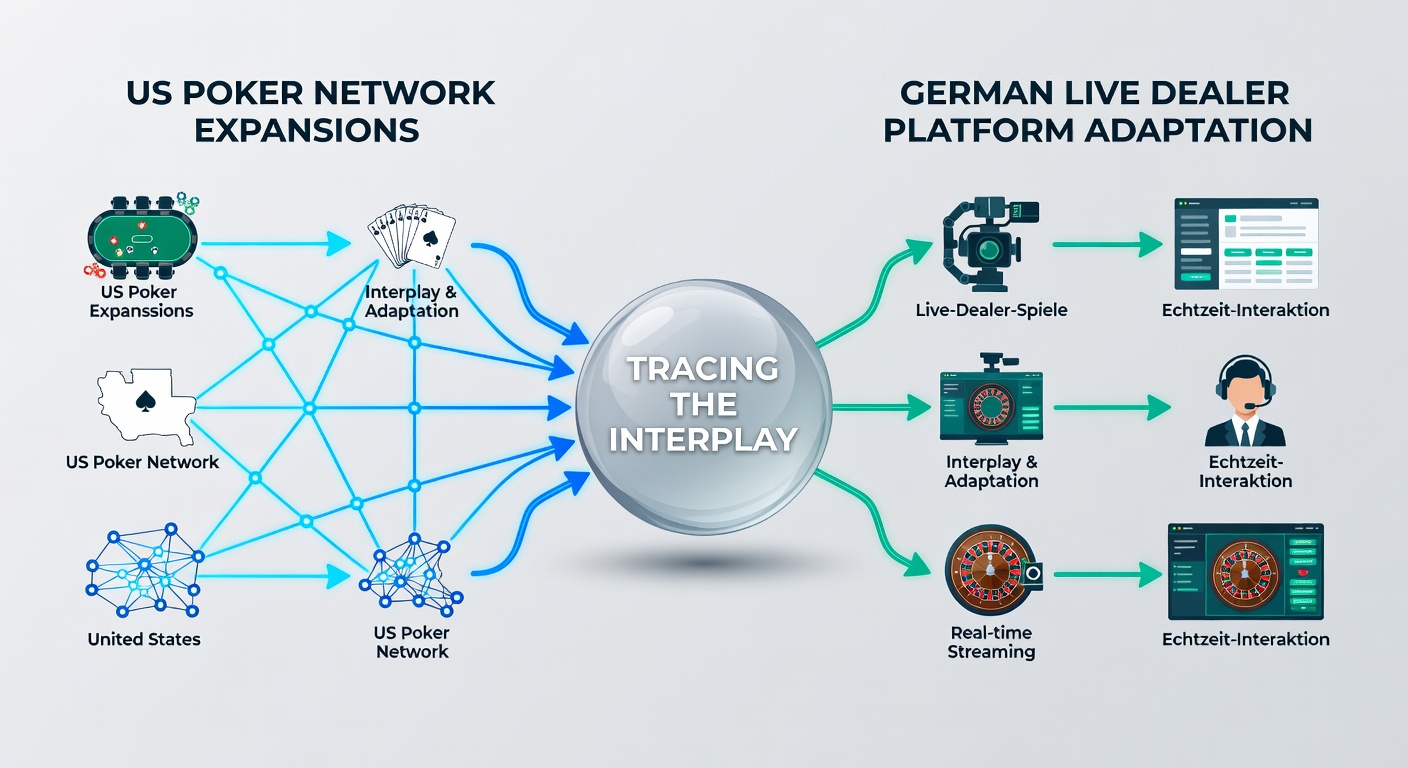
Platform providers in Germany also revised bonus structures to reward consistent participation across live tables, a tactic observed in several US state markets where loyalty programs boosted retention rates. Those who manage these sites report that the changes maintain compliance with national deposit limits while offering players structured progression paths similar to tournament ladders found on American networks. The adaptations reflect broader industry efforts to harmonize user experiences across regions despite differing legal constraints.
Interplay and Shared Technological Influences
Technology transfers between the two markets have accelerated since late 2025, with German developers licensing proprietary random number generators and anti-collusion algorithms originally refined in US poker environments. This exchange occurs through vendor partnerships rather than direct platform mergers, yet it produces measurable convergence in how live sessions handle dispute resolution and fairness audits. Studies conducted by academic researchers at the University of Nevada, Reno highlight that shared software components reduced latency issues for European users accessing transatlantic servers during synchronized promotional events.
Regulatory timelines add another layer to the connection, as both US states and German Länder conduct periodic reviews that encourage operators to adopt transparent reporting standards. When American networks rolled out enhanced responsible gaming modules in spring 2026, several German live dealer providers incorporated comparable session time trackers within weeks, demonstrating rapid cross-pollination of compliance tools. The pattern underscores how expansion in one region prompts iterative adjustments in the other, creating a feedback loop that shapes platform evolution without requiring unified legislation.
Future Trajectories as of Mid-2026
Projections released by market analysis firms suggest continued alignment through the remainder of 2026, particularly around mobile optimization and virtual reality trial features for live poker tables. German operators have signaled interest in testing limited VR dealer interfaces that echo experimental programs already active in select US markets, while American networks explore localized German-language support for expatriate player segments. These developments remain subject to ongoing licensing approvals, yet the underlying technical groundwork continues to advance through vendor collaborations documented in industry white papers.
Conclusion
The documented expansions of US poker networks and corresponding adaptations on German live dealer platforms illustrate a pattern of mutual influence driven by technological compatibility and market data rather than coordinated strategy. Figures from regulatory bodies and research institutions confirm steady growth metrics on both sides of the Atlantic through May 2026, with shared innovations in software and player engagement tools sustaining the connection. Observers tracking these sectors expect further refinements as licensing frameworks evolve, maintaining the interplay without direct operational overlap.